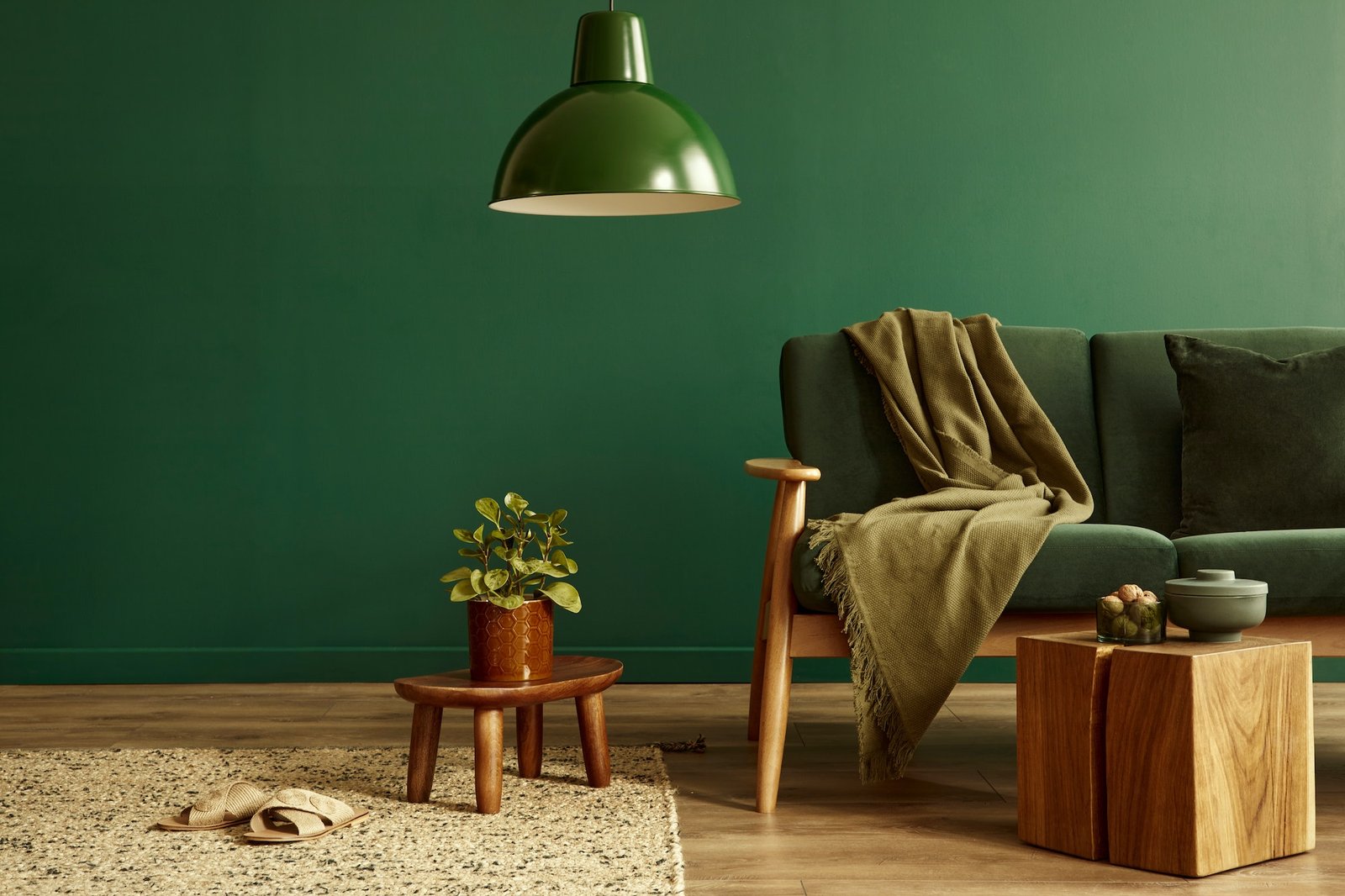
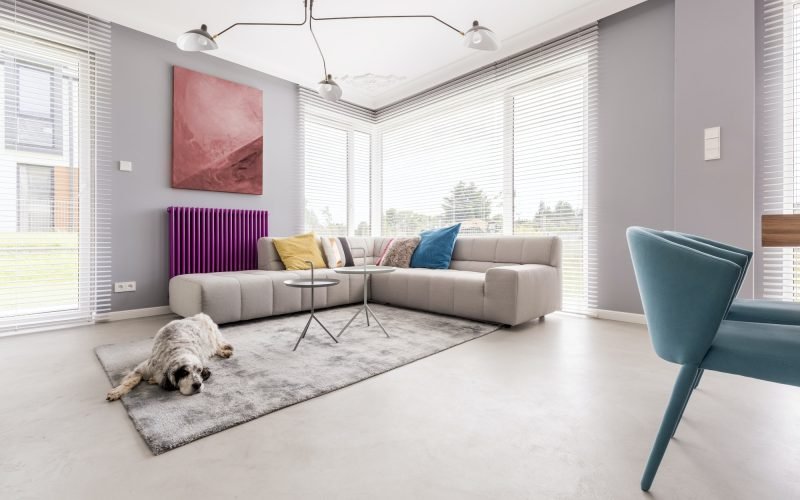
Many homeowners assume all paint products are the same, but interior and exterior paints are specifically engineered for completely different environments. Using the wrong type of paint can lead to premature peeling, fading, cracking, and poor durability.
Professional painters understand how choosing the correct product directly affects appearance, longevity, and protection.
What Makes Interior Paint Different?
Interior paint is designed for controlled indoor environments where surfaces are protected from rain, direct sunlight, and extreme temperature changes.
Interior paints are formulated to provide:
- Smooth finishes
- Easy cleaning
- Low odor options
- Reduced VOC emissions
- Stain resistance
Many modern interior coatings now include low or zero VOC formulas for improved indoor air quality.
Best Areas for Interior Paint
Interior paints work best on:
- Living room walls
- Bedrooms
- Ceilings
- Kitchens
- Hallways
- Trim and baseboards
- Cabinets
Different finishes such as matte, eggshell, satin, and semi-gloss are selected based on room usage and moisture exposure.
What Makes Exterior Paint Different?
Exterior paint is built to withstand harsh environmental conditions including:
- UV rays
- Rain and moisture
- Snow and freezing temperatures
- Dirt and debris
- Temperature expansion and contraction
Exterior coatings contain additives that improve flexibility and weather resistance.
Exterior Paint Is Designed for Protection
Exterior paint acts as a protective barrier for surfaces such as:
- Wood siding
- Brick
- Stucco
- Vinyl siding
- Decks
- Fences
- Trim
Without proper exterior coatings, moisture can penetrate surfaces and lead to rot, mold, and structural damage.
Why You Should Never Use Interior Paint Outdoors
Interior paint lacks the weather-resistant properties needed for outdoor conditions. If used outside, it can quickly:
- Fade
- Crack
- Peel
- Grow mildew
- Lose adhesion
Similarly, exterior paint indoors may release stronger odors and may not produce the refined finish homeowners expect for interior spaces.
Surface Preparation Matters
Choosing the right paint is only part of the process. Proper preparation is essential for durability and smooth finishes.
Professional painters typically perform:
- Pressure washing
- Sanding
- Caulking
- Priming
- Drywall repairs
- Surface cleaning
These steps improve adhesion and extend paint lifespan.
How Professionals Help You Choose the Right Paint
Experienced painters evaluate:
- Surface material
- Moisture exposure
- Sunlight levels
- Desired finish
- Durability requirements
- Maintenance expectations
This ensures every room and exterior surface receives the most appropriate coating system.
Final Thoughts
Interior and exterior paints are designed for completely different purposes. Using the correct product improves durability, appearance, and long-term protection for your property.
To ensure professional results with high-quality coatings and expert application, visit Your Local Painters.